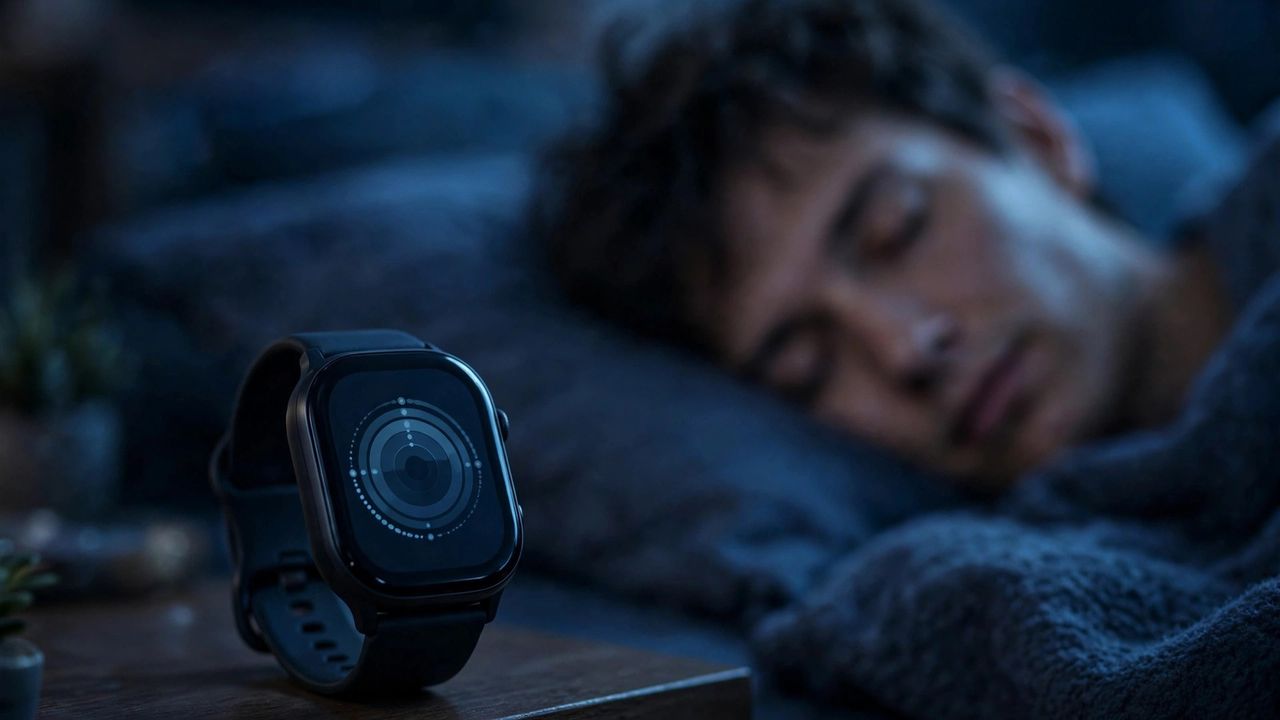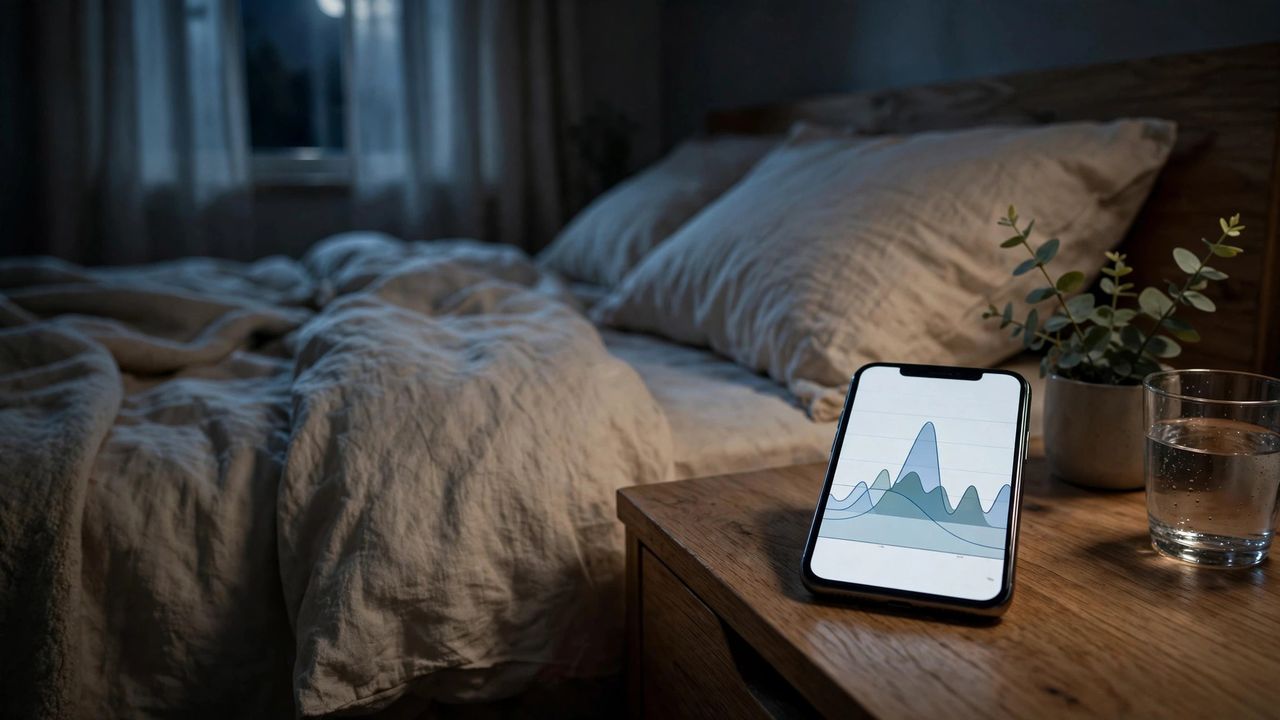
One in three adults reports poor sleep, yet few know what is actually wrong. Sleep tracking apps in 2026 use your phone or watch sensors to record sleep stages, snoring, and disturbances through the night. The data reveals patterns you would never notice — and patterns you can fix.
Understand what the app measures
Trackers estimate light, deep, and REM sleep from movement and heart rate, and the best ones add blood oxygen and snoring detection. Scores are estimates, not medical diagnoses, but trends over weeks are genuinely useful. Look for consistency first: bedtimes and wake times matter more than any single score. Weekly trends matter far more than any single nightly score. Judge progress over fourteen nights, not one.
Fix the patterns the data reveals
Most apps connect poor sleep to specific habits: late caffeine, screens before bed, alcohol, or irregular schedules. If deep sleep drops on nights you drink, that is actionable intelligence. Cut caffeine after noon and dim lights an hour before bed — small changes the app can verify within days. Keep the bedroom cool, dark, and quiet, because environment affects every metric. The app is only useful if you change one habit at a time and watch the trend respond.
Choose the right tracking method
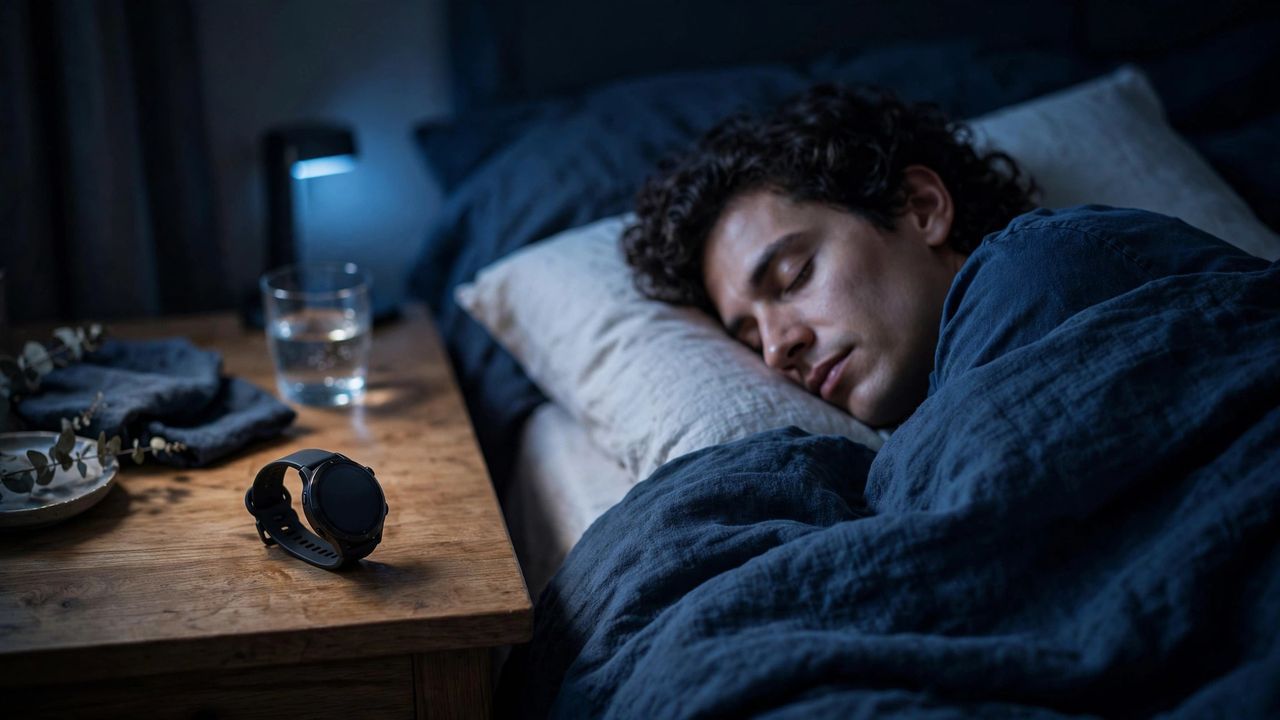
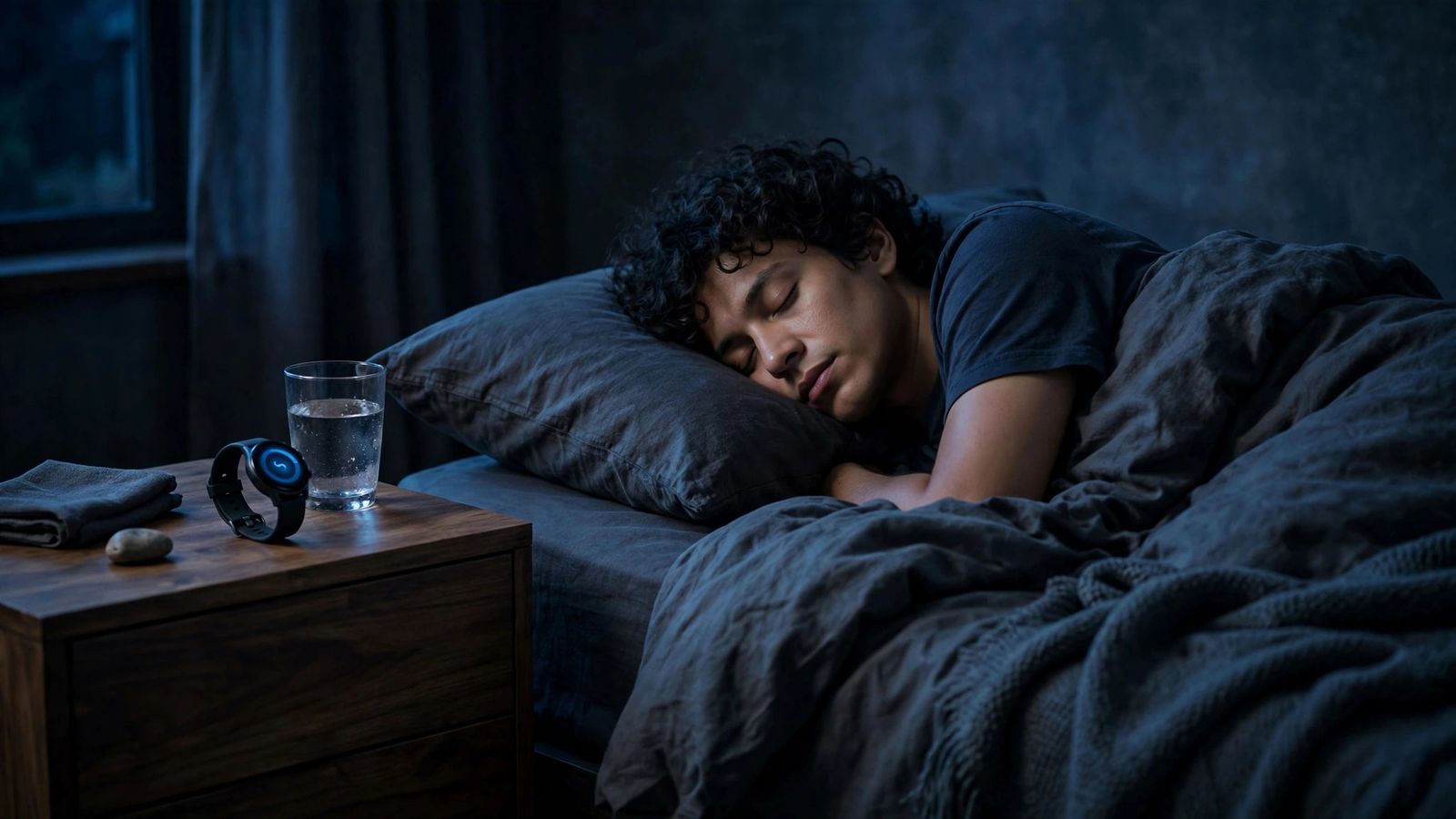
Smartwatches track most accurately but must be worn all night and charged daily. Phone-on-mattress apps are free and surprisingly decent for basic sleep timing. Dedicated under-mattress sensors track without anything on your body. Pick the method you will actually use every night, because missing data breaks the trends. The best tracker is the one you wear or run consistently, not the most expensive one.
Know when to see a doctor
Apps cannot diagnose sleep apnea, insomnia, or restless legs — but they can show you when to seek help. Loud nightly snoring with breathing pauses, or exhaustion despite eight hours in bed, deserve a professional evaluation. Export a month of data to show your doctor, because objective records beat vague complaints. If the data shows real problems that habits do not fix, a sleep specialist is the next step.
Start tracking tonight and review your first two weeks with curiosity, not anxiety. Better sleep usually comes from two or three small habit changes — and now you will have the data to prove which ones work.