Machine translation used to be a joke — literal, clumsy, and embarrassing. In 2026, AI translation tools have grown up: they understand context, idioms, tone, and even cultural nuance. Whether you're traveling, doing business abroad, or reading foreign research, here's how to get translations that actually sound human.
What Modern AI Translators Can Do
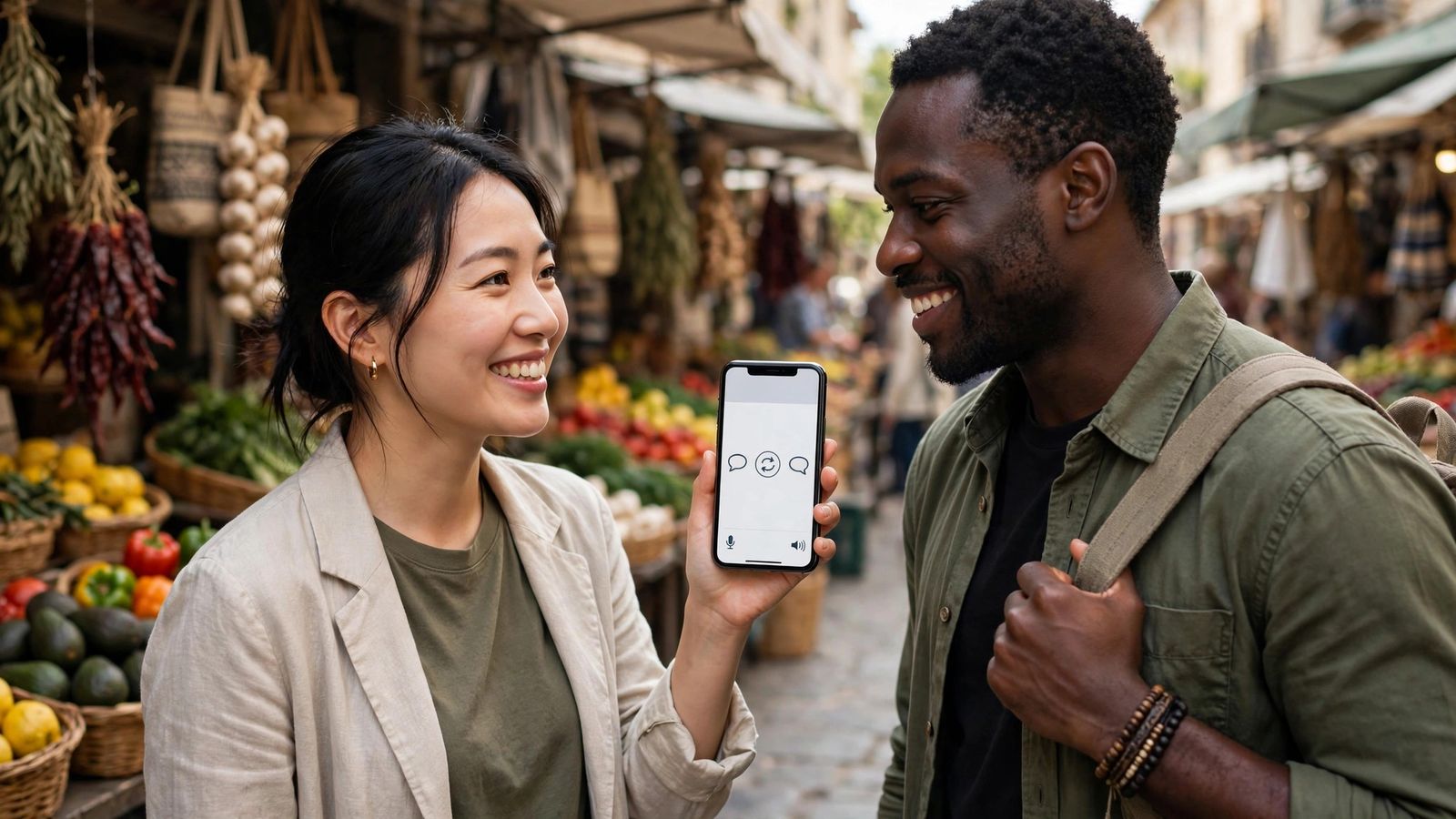
The basics are now excellent: paste documents, PDFs, or whole websites and get natural-sounding translations in 100+ languages, preserving formatting. Real-time voice translation lets two people speak different languages into their phones and hold a fluid conversation — a travel game-changer. Camera translation reads signs, menus, and labels instantly through your lens. The newest tools handle tone control (formal vs. casual), translate video subtitles in bulk, and even dub videos with lip-synced voices.
How to Get Native-Quality Results
Garbage in, garbage out: give the AI clean, complete sentences — slang and typos in the source produce garbage in the target. Always specify context: "translate this medical email formally" beats a bare paste. For important documents, use the back-translation trick — translate the result back into the original language and check it still means the same thing. And never trust AI for legal contracts or medical instructions without a human professional reviewing; a subtle mistranslation there can cost dearly.
Best Use Cases in 2026
Travelers use camera + voice translation to navigate countries where they speak zero of the language. Freelancers and small businesses localize websites and product listings into new markets in days instead of months. Students read research papers in other languages that were previously inaccessible. Customer support teams answer tickets in 20 languages with AI-drafted replies a human quickly approves. The pattern: AI does the heavy lifting, humans do the final quality check — and together they beat either one alone.
AI translation won't replace learning a language — nothing matches real fluency. But in 2026, language is no longer a wall. Use these tools boldly, verify what matters, and the whole world's information is suddenly readable. Try translating something today; you'll be surprised how far the technology has come.